
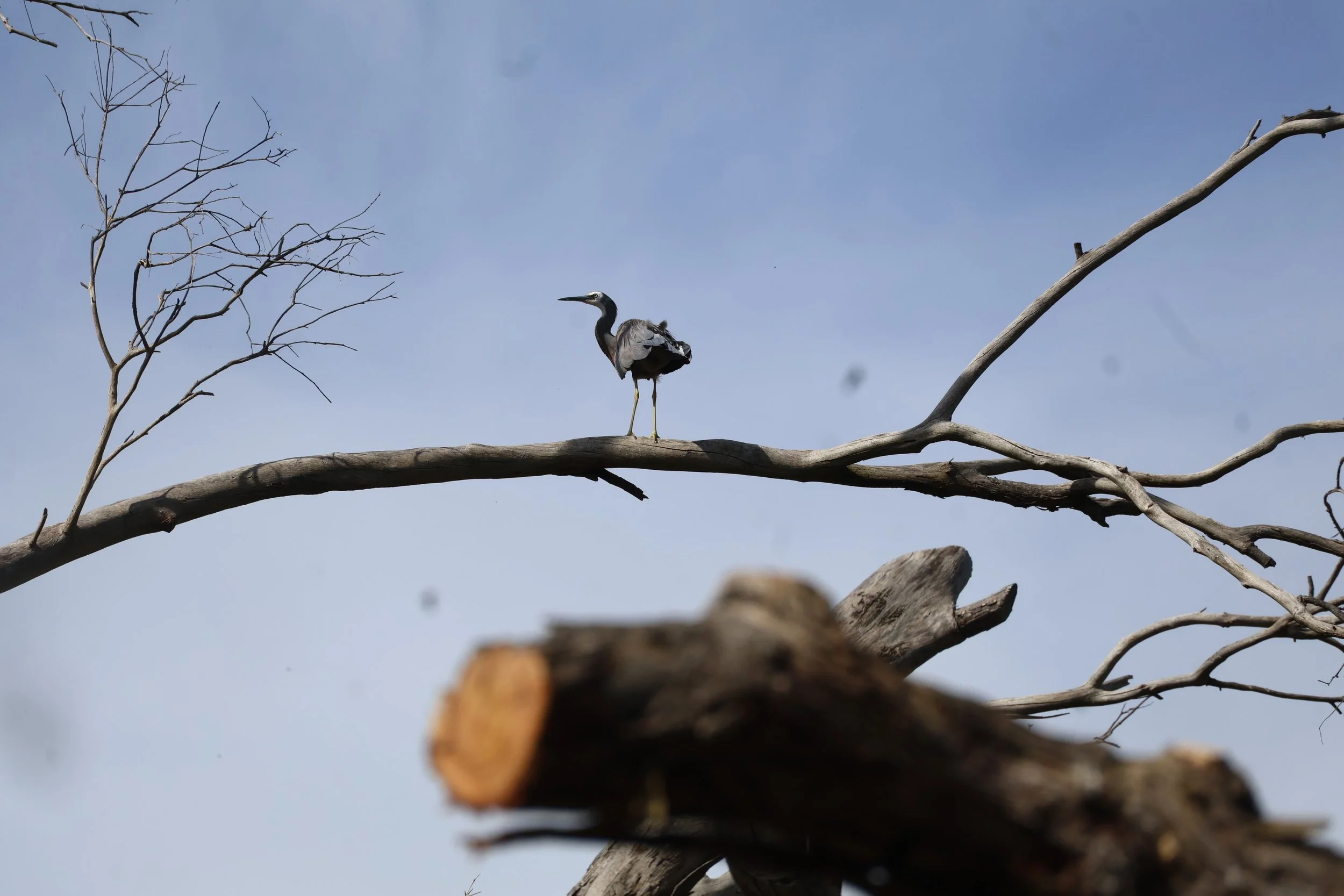
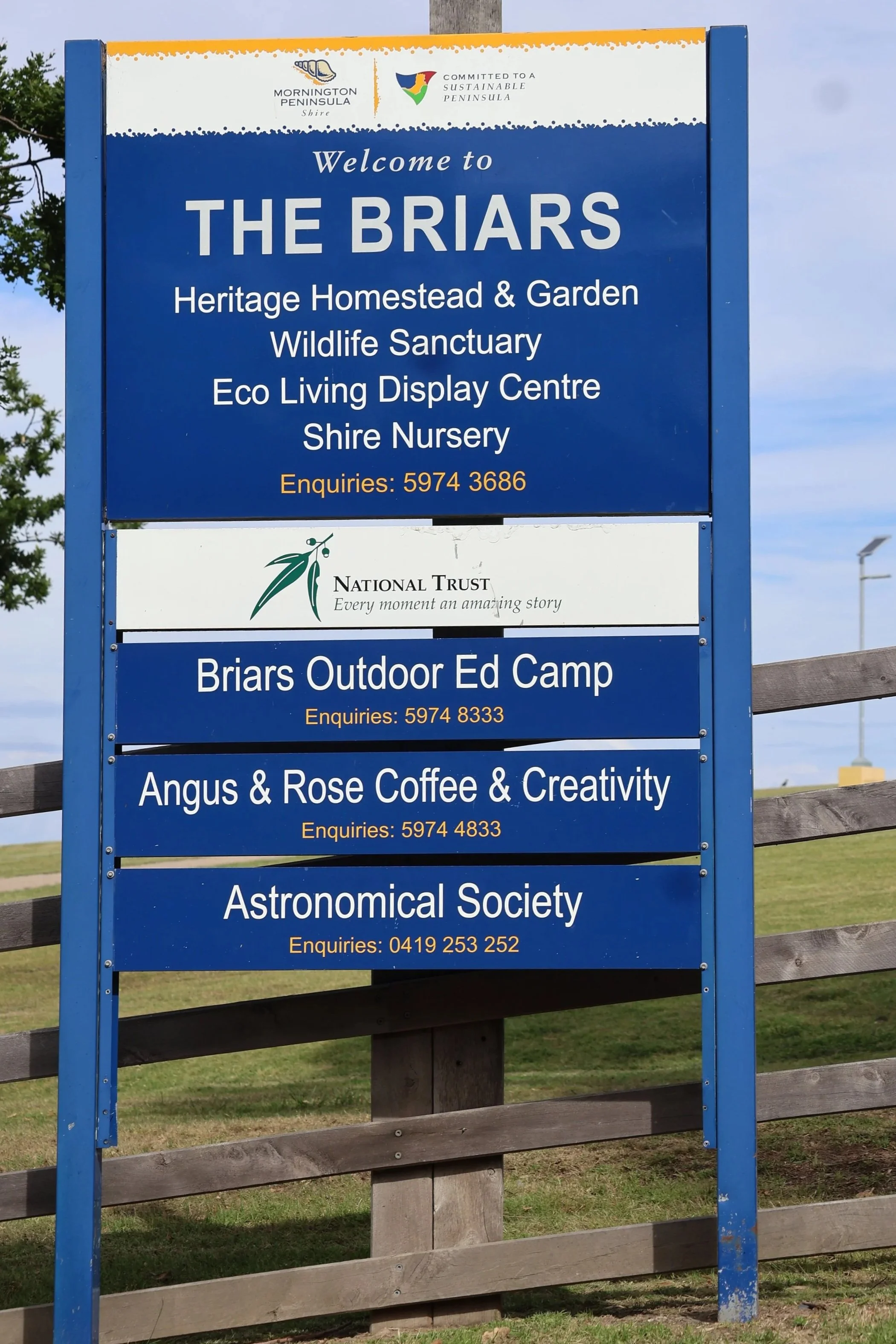
The Briars Wildlife Sanctuary
Location
The Briars Wildlife Sanctuary sits within a 230-hectare conservation and heritage park in Mount Martha on the Mornington Peninsula. It’s a family-friendly spot with bushland trails, wetlands, and plenty of wildlife viewing, alongside attractions like the historic homestead and gardens, bird hides, an eco-living display centre, a native plant nursery, and shady picnic areas. With easy boardwalks and longer loops to choose from, it’s an accessible and relaxed place for families to explore nature together.
Transport
By Car: The Briars is located at 450 Nepean Highway, Mount Martha
Parking: Lots of free onsite parking
Public Transport: Public transport is technically possible, but the combination of train, bus, and walk makes it a long and tricky journey—driving is by far the easiest and most family-friendly way to reach The Briars.
Take a train Frankston then take the Route 788 bus (Frankston to Portsea) and get off near Balcombe Grammar, from there it is a 20 minute walk to The Briars.
Cost
Entrance: Free
Parking: Free
Extras: We spent $15 on cold drinks and ice-creams in the Visitors Centre after our walk
Time to Allow
2km loop: This walk took us 1 hour while stopping to look at wild life with a 5 year old and one baby in a carrier.
4km loop: Around 1.5 to 2 hours at a leisurely pace.
Our Review
The Briars Wildlife Sanctuary is a fantastic family outing, offering a relaxed and accessible way for children to experience native animals in a natural setting. With well-maintained walking trails, wetlands, and abundant wildlife, it’s possible to see emus, wallabies, birds, and more without needing to trek for hours or rely on luck to spot elusive animals. It’s educational, enjoyable, and the perfect introduction for kids to connect with nature up close.
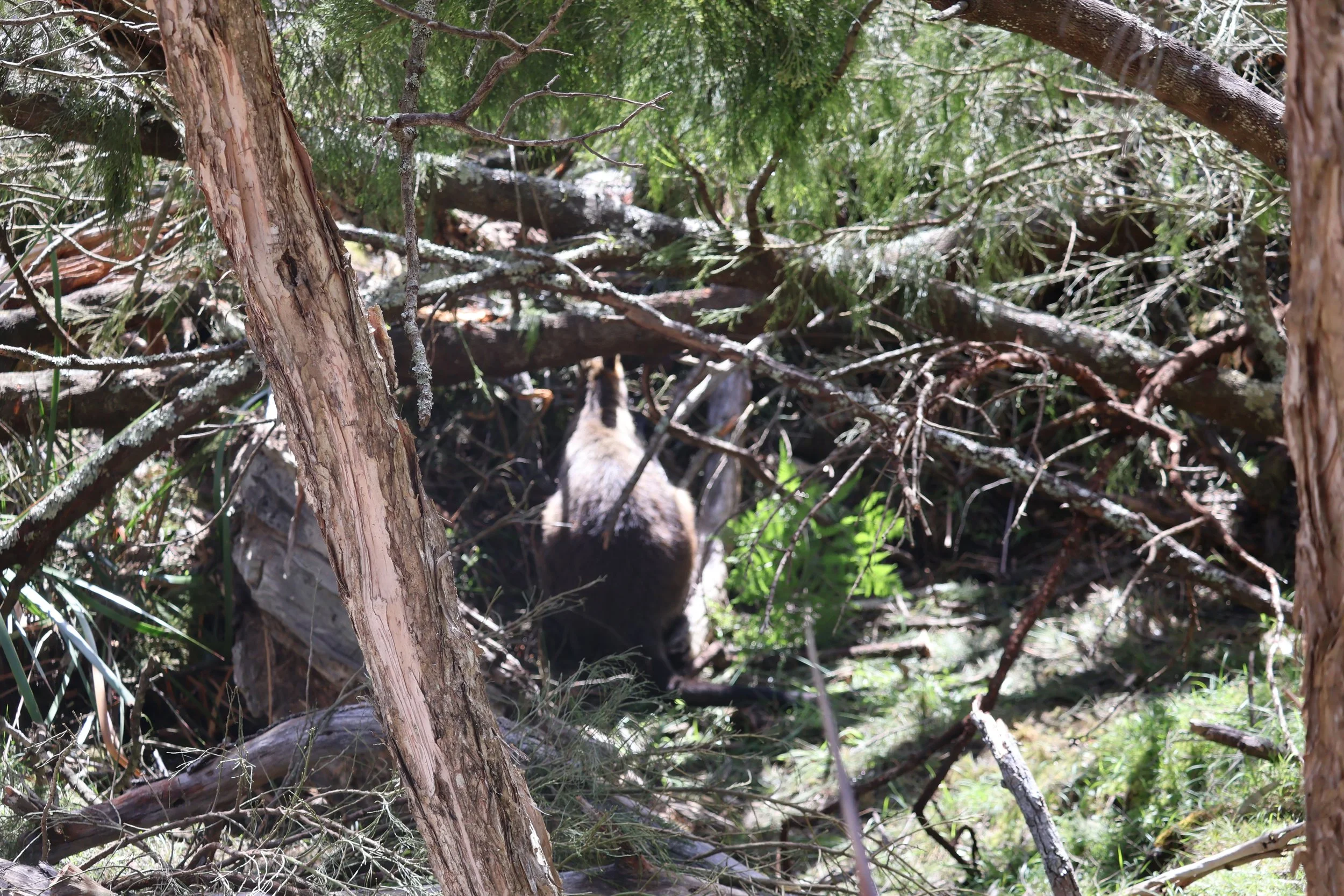
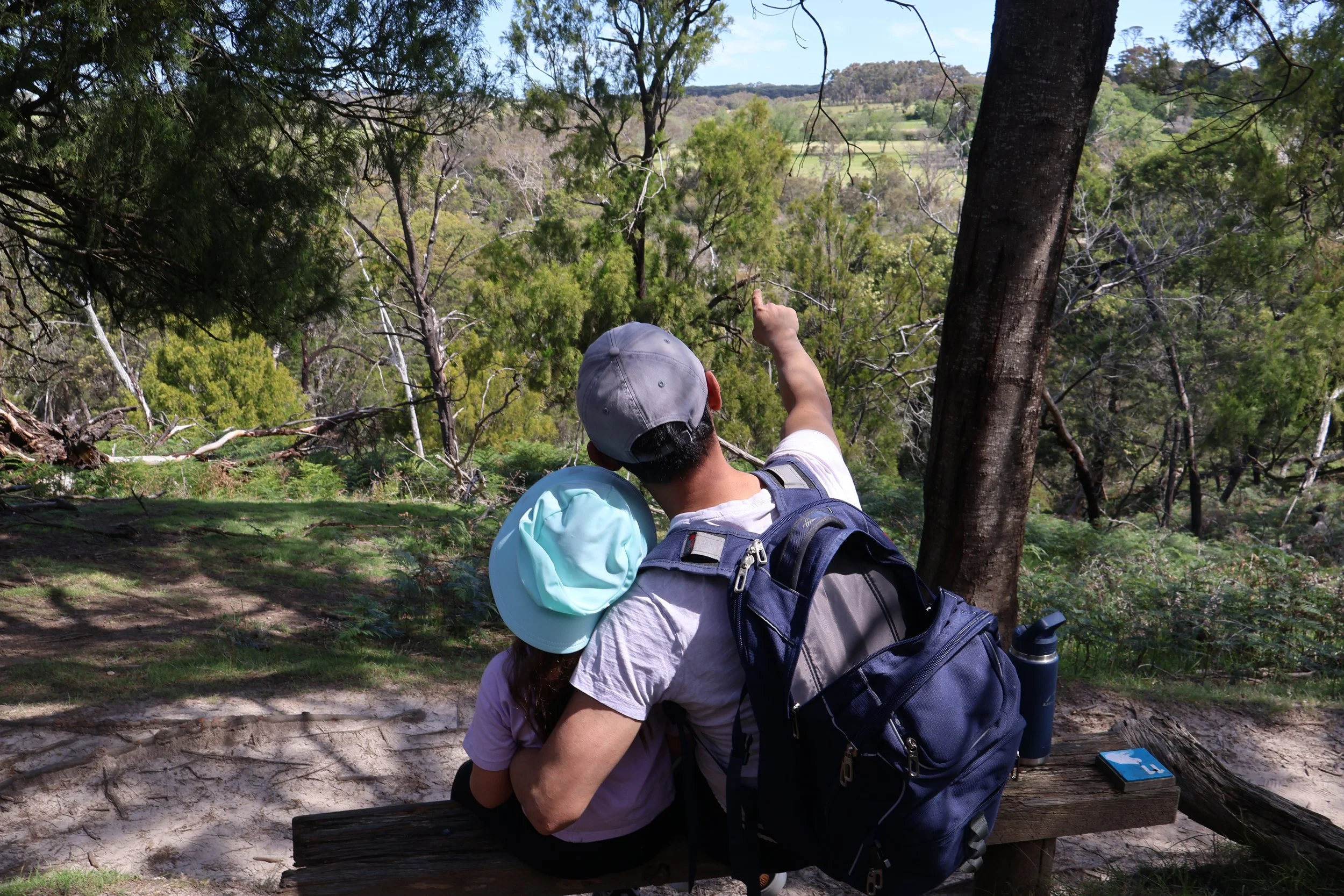
Animal Highlight
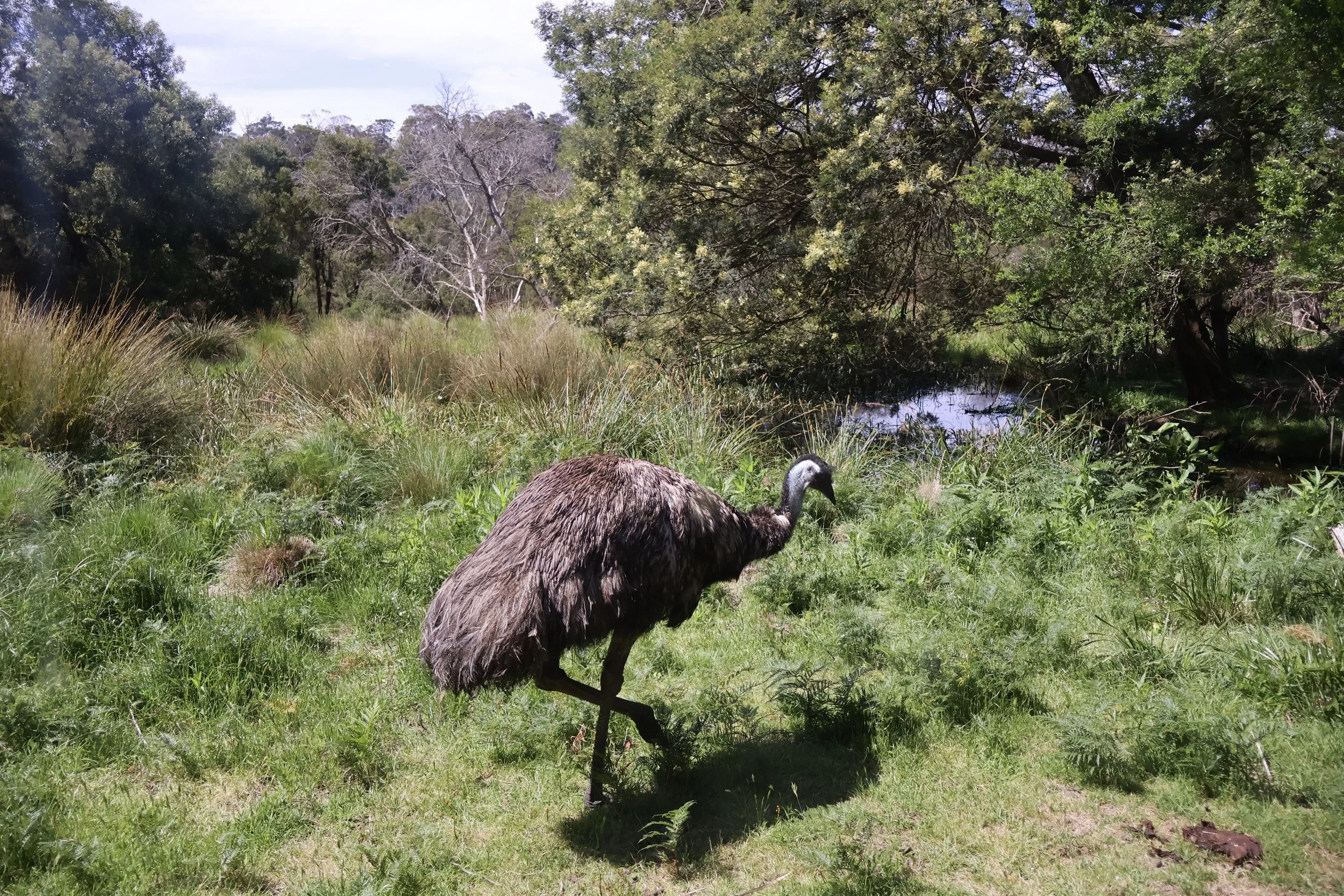
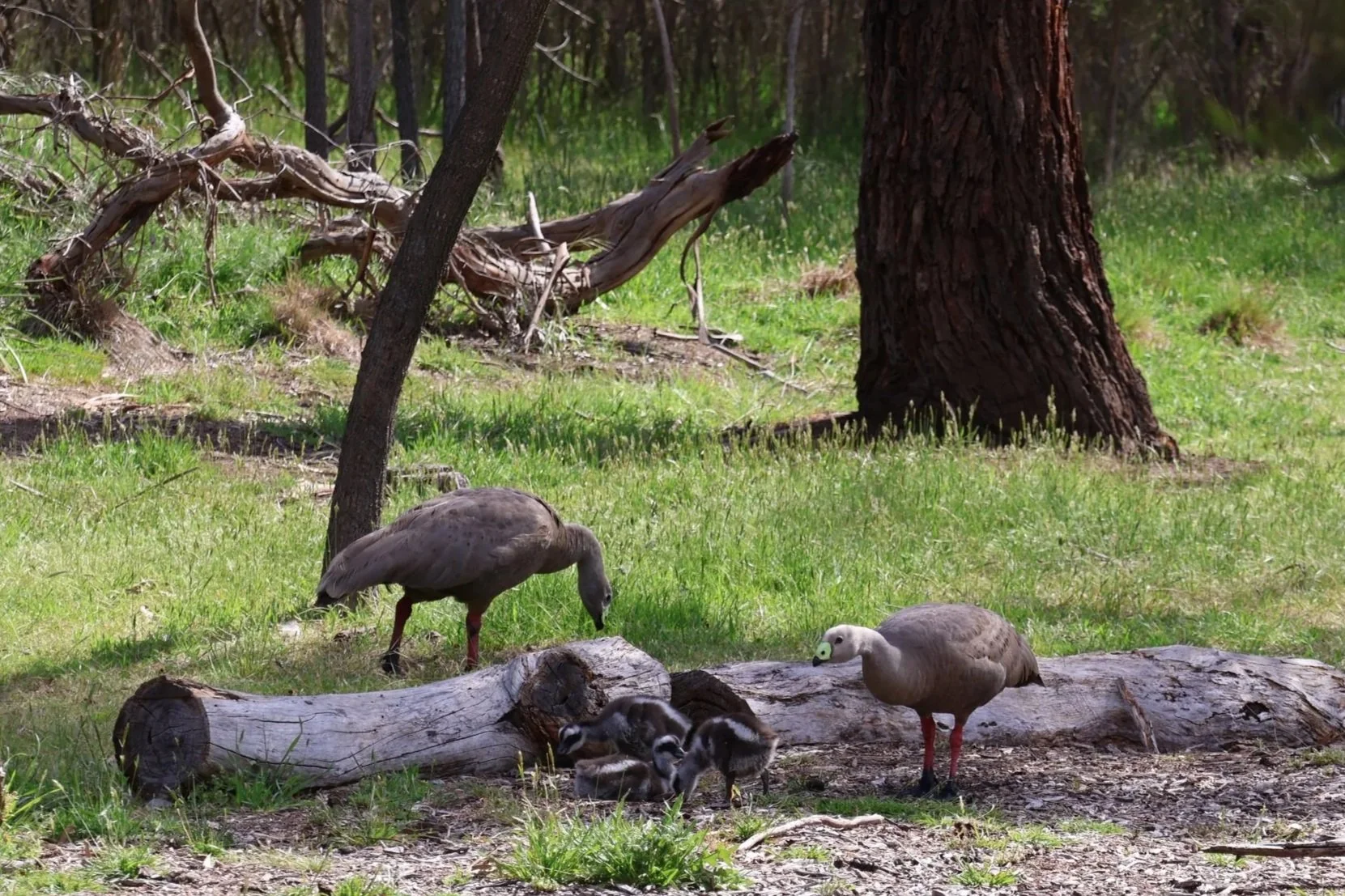
Seeing the Emus was definitely a highlight, however we did get lucky as they can be quite elusive with only 4 in the whole park. Out 5 year old loved watching the swan cygnets looking for food with their fluffy bums in the air
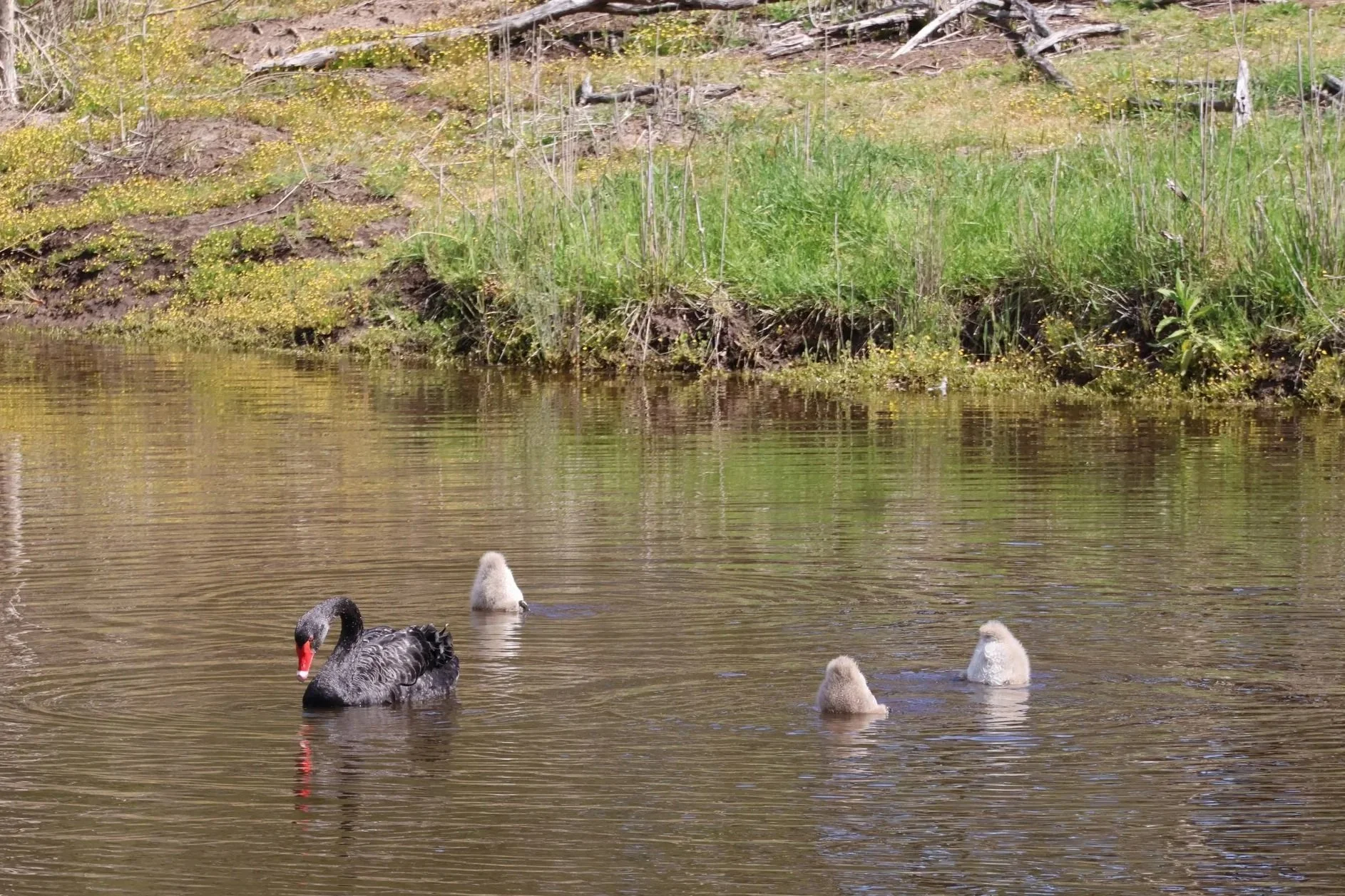
Hands-on Nature Learning: Kids can observe native animals like emus, wallabies, and birds in their natural habitats, fostering curiosity and respect for wildlife.
Wetlands & Ecology: The sanctuary’s wetlands offer an up-close look at ecosystems, waterfowl, and the role of natural habitats in supporting biodiversity.
nteractive Signage & Trails: Informational boards along the walking trails explain animal behaviour, habitat conservation, and environmental stewardship.
Family-Friendly Learning: Accessible paths and structured walks make it easy for families with young children to engage with nature and learn at their own pace.
Conservation Awareness: Visiting the sanctuary encourages understanding of the importance of protecting native species and their habitats.
Educational Value
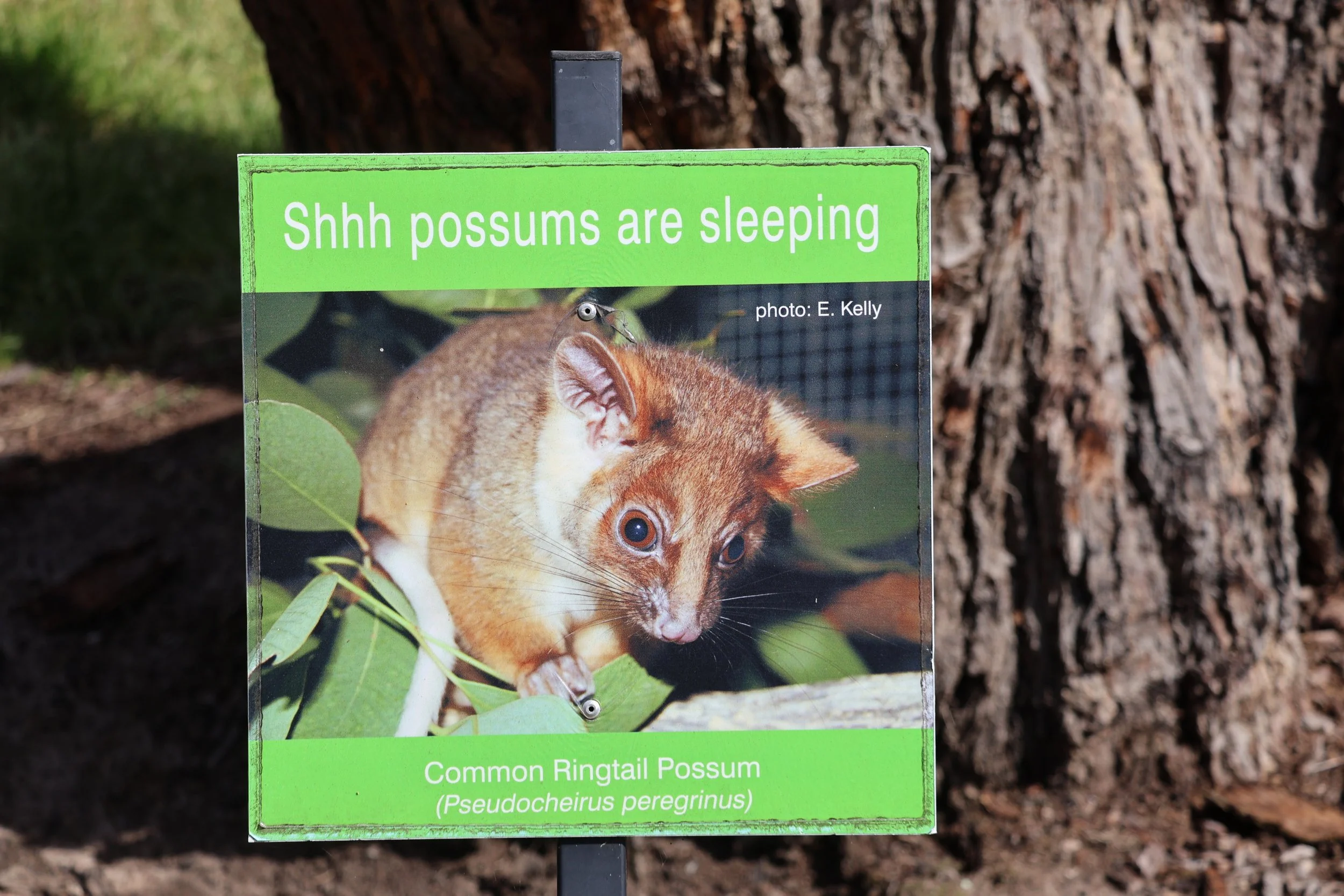
Animals in the Park
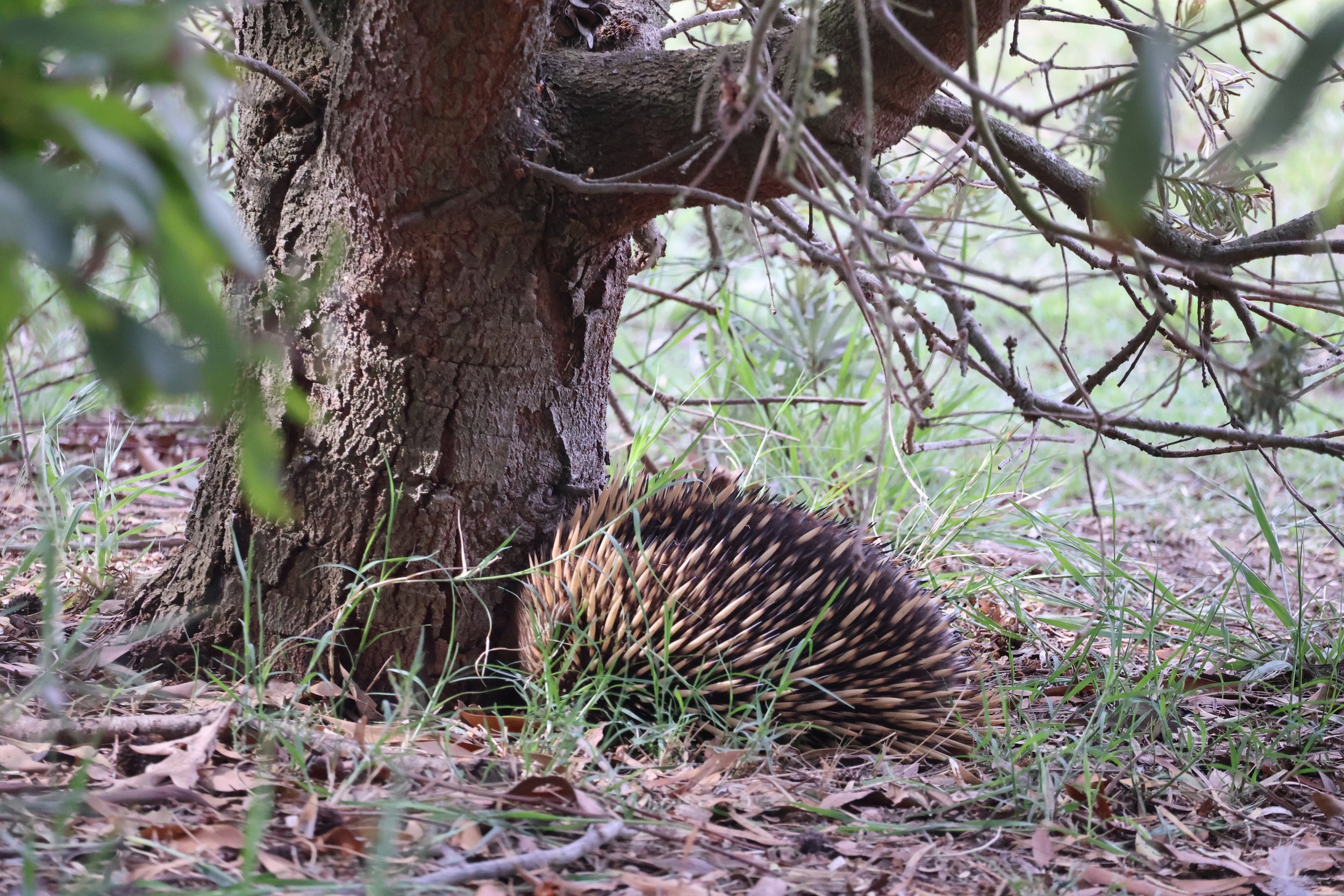
Koalas, Emus, Wallabies / Kangaroos, Echidnas, Brushtail & Ringtail Possums, Sugar Gliders, Micro‑bats
Reptiles: Common Scaly-foot, Tree Dragon, several skinks, and snakes like Lowland Copperhead and Tiger Snake
Wetland birds: Cormorants, Pelicans, Ducks, Rails, Crakes, Swamphens, Moorhens, Coots, Ibis, Herons (including Nankeen Night Heron), Great Egret, Royal Spoonbill
Woodland birds: Robins, Whistlers, Wrens, Flycatchers, Pardalotes, Finches, Honeyeaters, Frogmouths, Kookaburras, Goshawks, Rosellas, Lorikeets, Magpies, Ravens, Yellow-tailed Black Cockatoos
Amphibians / Frogs: Common Froglet, Southern Bull Frog, Spotted Marsh Frog, Verreaux’s Tree Frog, Southern Brown Tree Frog, Southern Toadlet
Aquatic species: Short-finned Eel, Dwarf Galaxia, Southern Pygmy Perch, Yellow-eyed Mullet, and other small fish