
SEA LIFE Melbourne Aquarium
Location
SEA LIFE Melbourne Aquarium is right on the Yarra River in the heart of Melbourne’s CBD, next to Crown Casino and just a short walk from Flinders Street Station. Its central position makes it an easy add-on to a day in the city.
Transport
By Train: Flinders Street Station is about a 10-minute walk.
By Tram: Several tram routes stop along Flinders Street, close to the aquarium.
By Car: Parking is available at Crown Casino or nearby Secure Parking garages, though expect city rates.
Cost
Adults: approx. $38 AUD
Children (3–12): approx. $27 AUD
Family Pass (2 adults + 2 kids): around $100 AUD
💡 Tip: Booking online ahead of time usually saves a few dollars and helps you skip queues.
You can expect to pay $20 - $30 per day for parking in a garage near by.
There is a cafeteria in the Aquarium, but do bring snacks if you want to avoid this extra expense!
Time to Allow
Plan for 2–3 hours inside. Families with toddlers may move through more quickly, but there’s enough to hold the attention of older kids too.
Our Review
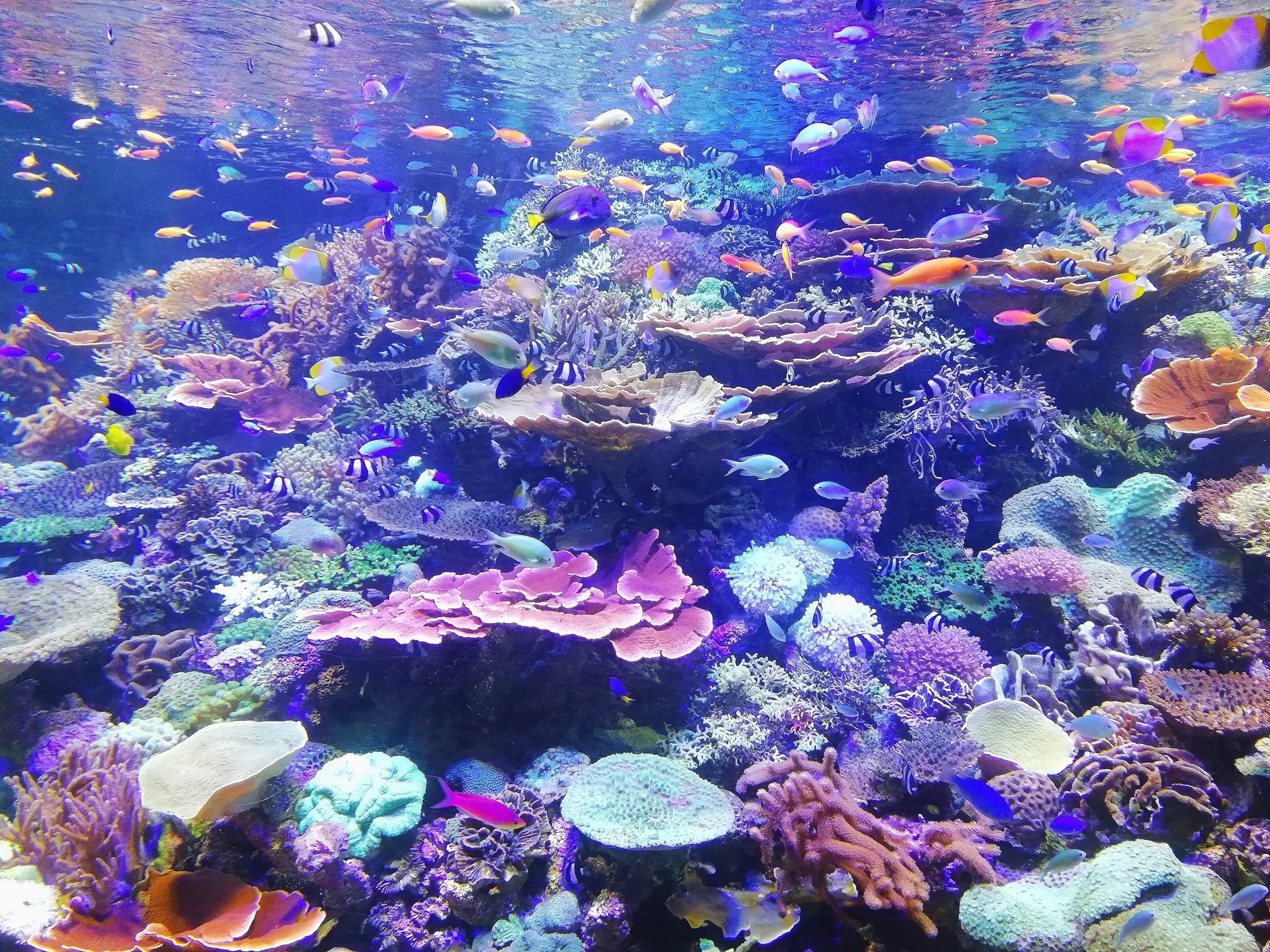
We found Melbourne Aquarium to be a great day with the kids, and a good introduction to animal encounters. The big oceanarium tank gave our kids their first up-close look at sharks and rays, while the penguins were the clear favourite. The colourful corals and fish are enchanting and captivating for little ones, and the touch and feel tank allows them to get really up-close with sea creatures. The space is stroller-friendly and easy to navigate, and not too long that they loose engagement. It’s not a full-day outing, but it is a great option if the weather is not good.
Animal Highlight
The Saltwater crocodile towards the end is HUGE
Educational Value
The Oceanarium shows how sharks, rays, and reef fish depend on healthy ecosystems, teaching the importance of balance in nature.
The Antarctic penguin zone introduces children to the impacts of climate change on wildlife in a way they can see and understand.
Several displays highlight the dangers of plastic pollution to marine life, with interactive screens that make it accessible for young learners.
Through breeding programs, like those for seahorses, families can see how aquariums contribute to conservation and protecting endangered species.